

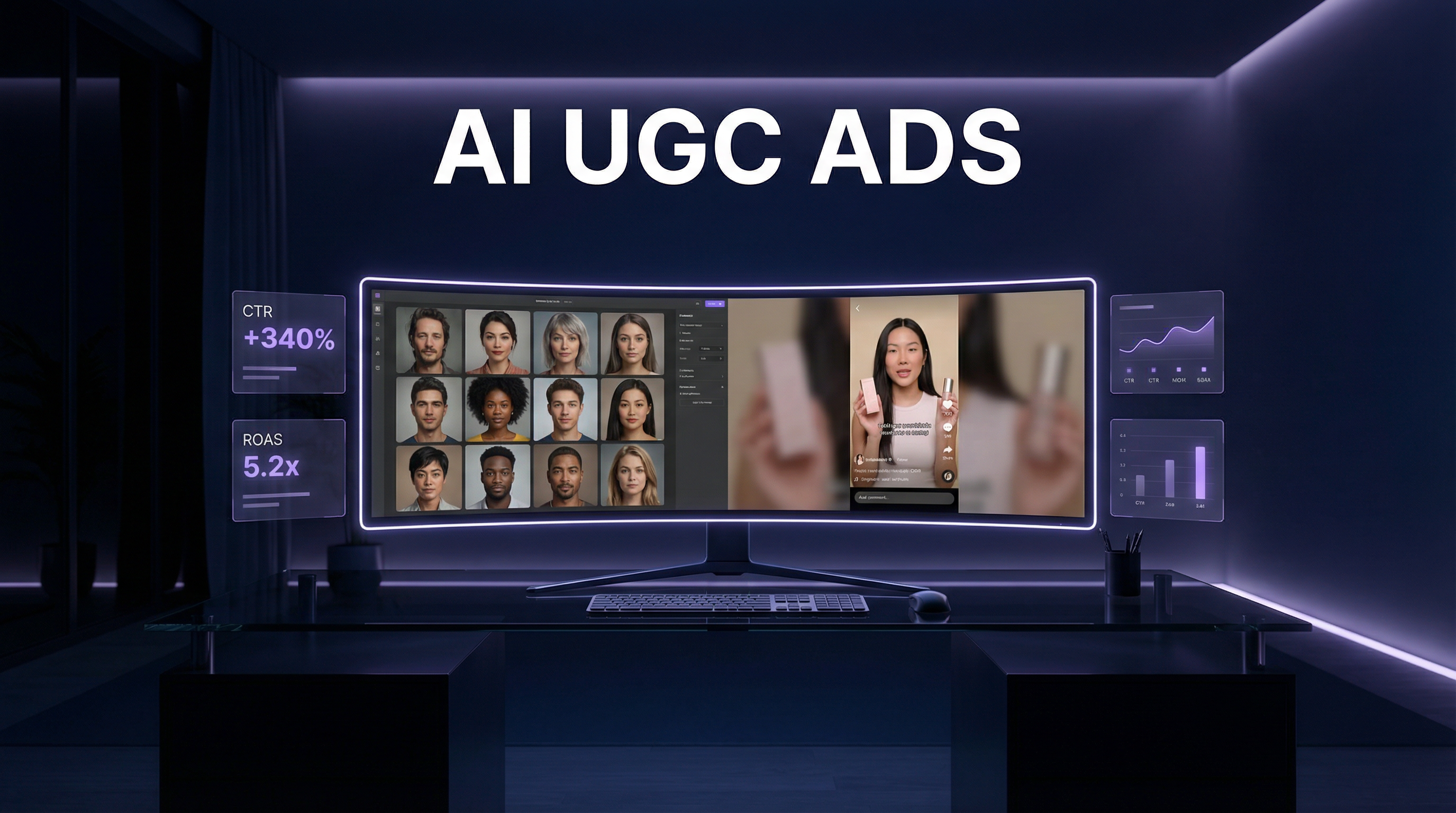
The promise of creating something for nothing is always compelling. Several viral videos and tutorials showcase methods to create free UGC ads by stitching together a series of free (or freemium) AI tools. While clever, this approach is a complex, multi-step process that requires significant technical maneuvering and a considerable time investment. Let's break down the typical workflow that these free methods advocate.
Step 1: Sourcing and Preparing the Visuals
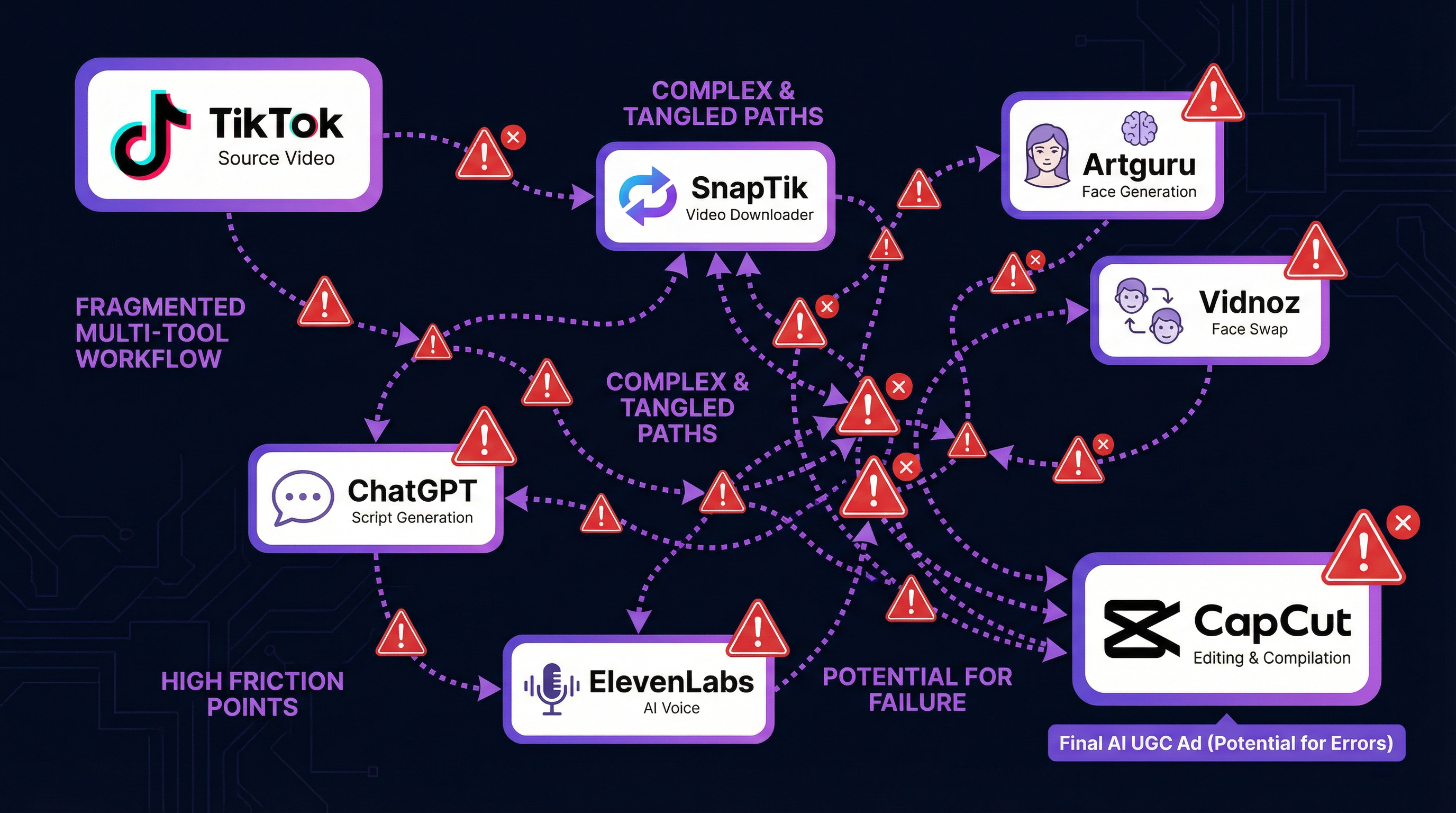
The process begins not with an idea, but with a piece of existing content. Marketers are advised to scour platforms like TikTok for a “storytime” video or any clip of a person talking to the camera. The key is to find a video with a clear shot of the person's face. Once found, a tool like SnapTik is used to download the video, often without the original platform’s watermark.
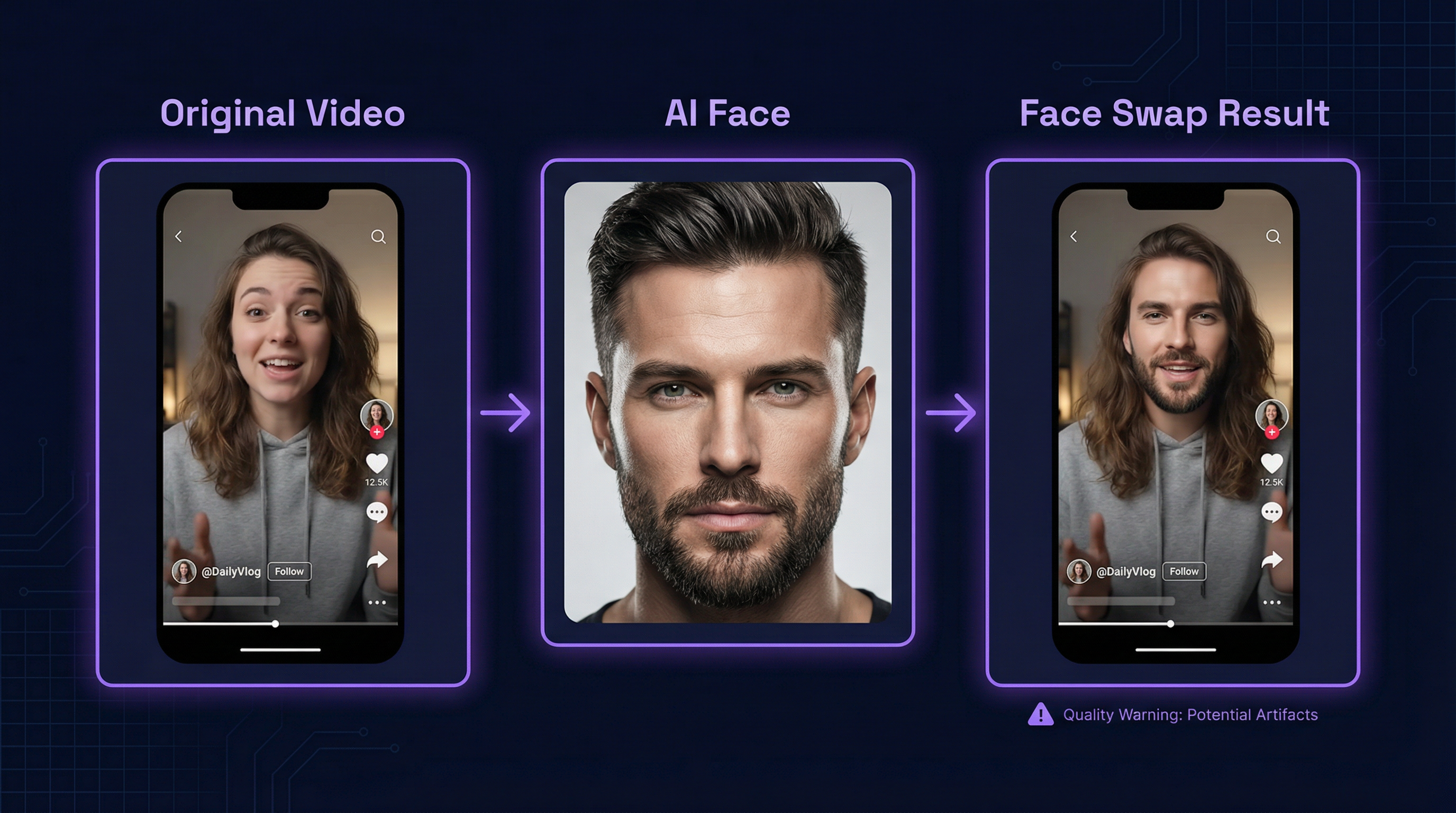
Next, to avoid the ethical and legal gray area of using someone's actual likeness, the workflow requires creating a synthetic face. This is done using an AI art generator like Artguru. The user generates a realistic-looking portrait of a person who doesn’t exist. The final step in this visual preparation phase is the most technically intricate: face swapping. A free tool like Vidnoz’s face-swapper is used to digitally graft the newly generated AI face onto the person in the original source video. The goal is to create a new, unique video of a “person” who can now become the spokesperson for your ad.
Step 2: Crafting the Script and Voice
With the visual foundation laid, the focus shifts to the audio. The free method for scripting often involves finding a competitor's successful ad and transcribing its content. This transcribed script is then fed into a large language model like ChatGPT, with a prompt to rewrite it in a more conversational, first-person UGC style. The goal is to capture the essence of a winning ad but rephrase it to sound like a personal endorsement.
Once the new script is ready, it’s time to give it a voice. This is where a high-quality AI voice generator like ElevenLabs comes into play. The script is pasted into the tool, and a voice is selected from its library to generate a realistic-sounding audio file. The quality of the voice is paramount here, as a robotic or unnatural tone can instantly shatter the illusion of authenticity that UGC aims to create.
Step 3: The Final Assembly and Lip-Sync
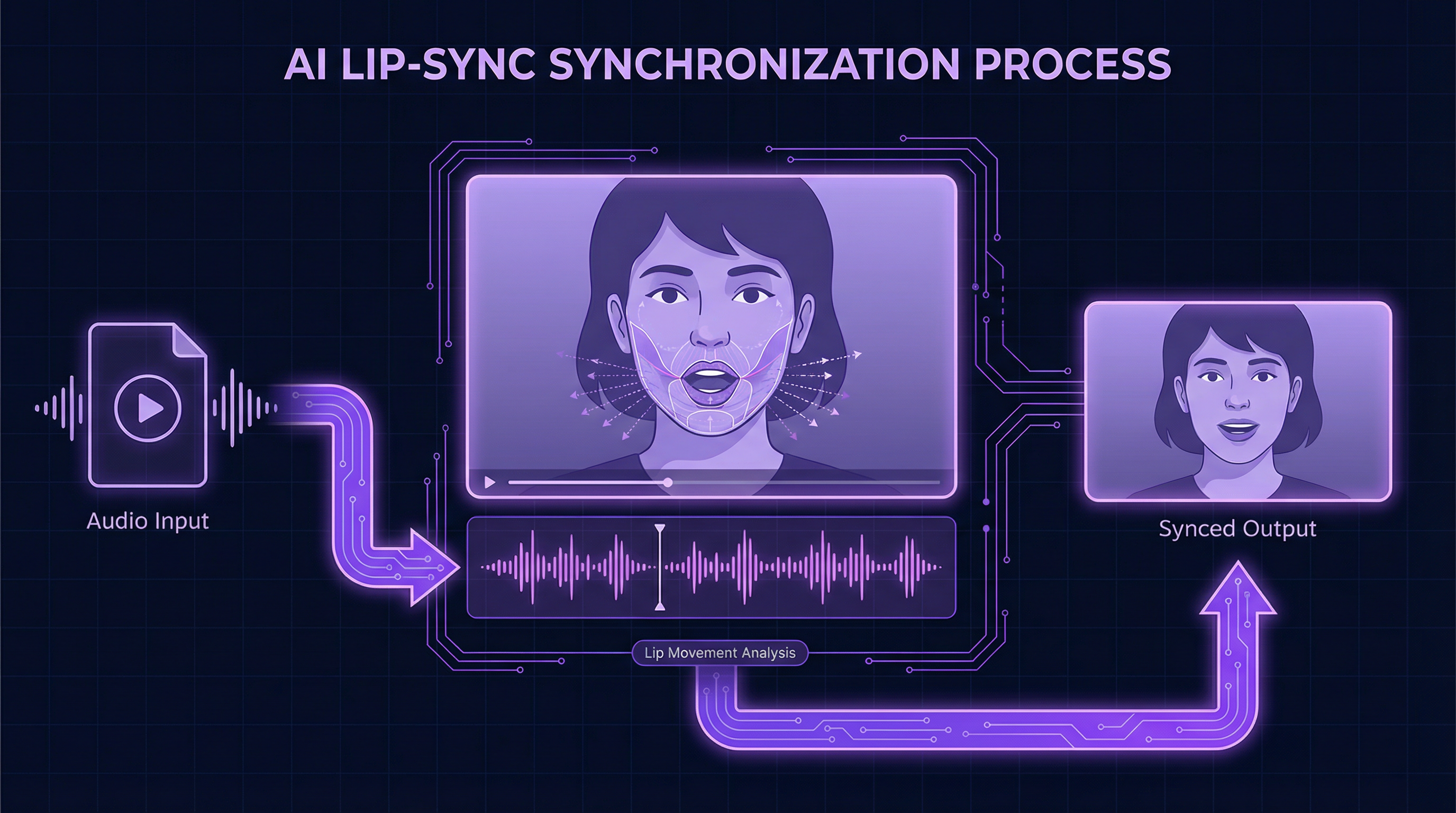
The most critical and often most challenging step is synchronizing the newly generated audio with the face-swapped video. This requires a specialized lip-syncing tool, such as Sieve. The video and audio files are uploaded, and the AI attempts to match the mouth movements of the on-screen avatar to the words in the voiceover. A successful lip-sync is the linchpin of a believable realistic AI ad.
Finally, all the disparate elements—the lip-synced talking head video, B-roll footage of the product (which must be sourced separately), and background music—are imported into a video editor like CapCut. The editor then has to manually assemble the final ad, layering the B-roll over the talking head, adding captions, and ensuring the pacing and flow are engaging. The result, if all steps are executed perfectly, is a functional AI-generated UGC ad.
The Hidden Costs of “Free”
While the multi-tool method demonstrates that it is technically possible to create UGC ads with AI for free, it’s a process fraught with challenges that can undermine the very goals of the campaign. The “free” path often comes with hidden costs in the form of time, quality compromises, and significant risks.
The reality of the “free” method is that it’s a patchwork of disparate systems, each with its own learning curve, limitations, and potential for failure. The time spent juggling these tools could be better invested in strategy and campaign optimization.
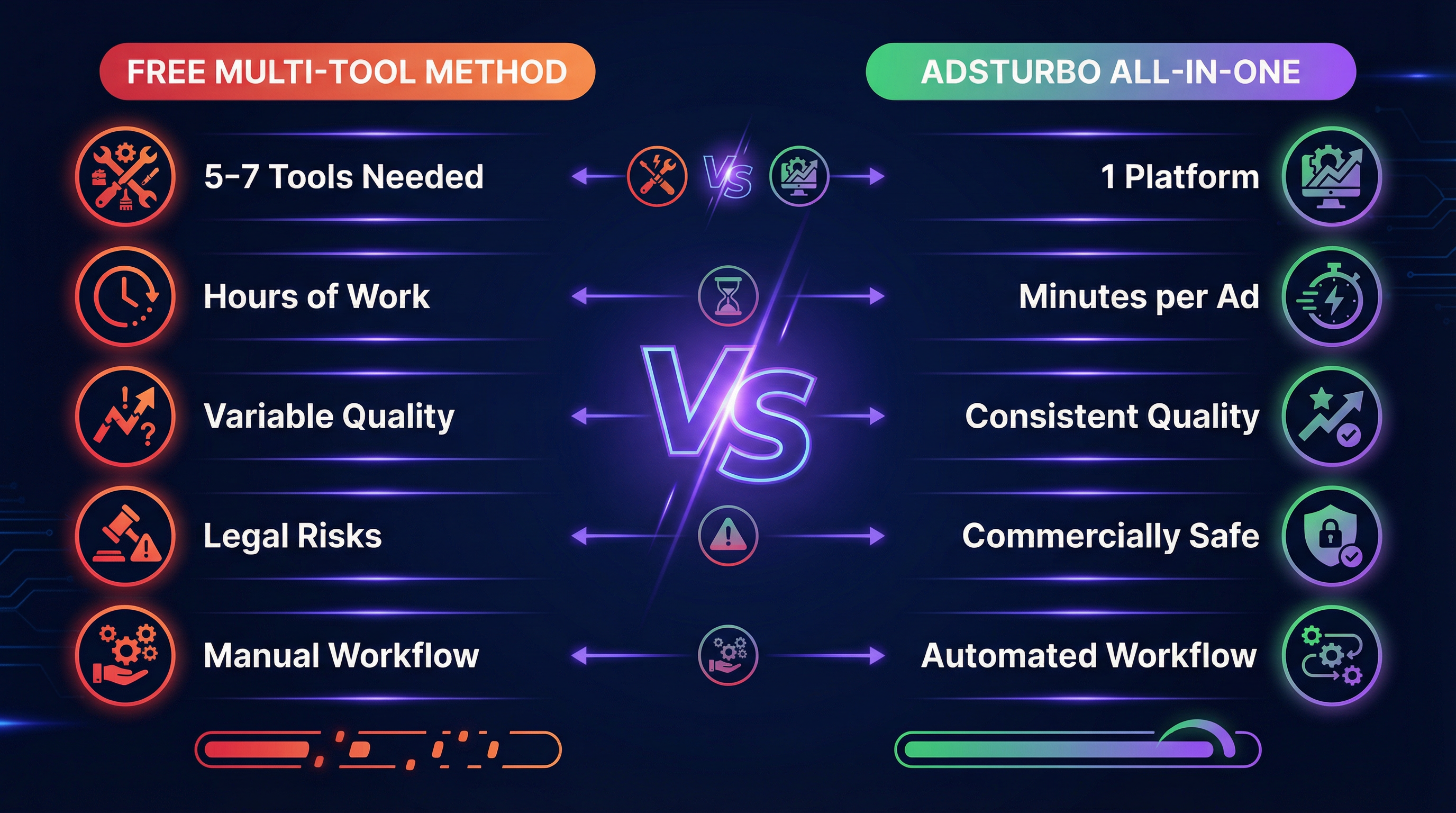
Feature The "Free" Multi-Tool Method AdsTurbo Number of Tools 5-7+ (e.g., TikTok, SnapTik, Artguru, Vidnoz, ChatGPT, ElevenLabs, CapCut) 1 (All-in-One Platform) Time Investment High (Hours per ad) Low (Minutes per ad) Ease of Use Complex; requires technical skill and context switching Intuitive and streamlined Quality & Consistency Variable; depends on the integration of multiple, unrelated tools High; professional-grade, consistent output Legal & Ethical Risk High; potential for likeness infringement and use of non-commercial assets Zero; uses commercially licensed, pre-cleared avatars and assets Workflow Fragmented and manual Fully integrated and automated
This fragmented workflow is not just inefficient; it’s also creatively stifling. The final output is a composite of compromises, where the quality of the face swap, the accuracy of the lip-sync, and the coherence of the final edit are all potential points of failure. Furthermore, the reliance on scraping content and using free tools raises serious questions about commercial rights and ethical usage, creating a legal minefield for any serious brand.
The Smarter Alternative: A Unified Platform for AI Ad Creation
What if you could achieve the authenticity and impact of UGC without the complexity and risk of the free method? This is where a dedicated, all-in-one platform like AdsTurbo enters the picture. Instead of a chaotic, multi-tool scavenger hunt, AdsTurbo provides a single, streamlined environment to generate high-quality UGC-style ads from start to finish.
The fundamental difference lies in the approach. AdsTurbo was built from the ground up to solve the core challenges of AI ad creation. You don't need to find and swap faces; the platform provides a library of commercially-safe, realistic AI talking avatar options. You don't need to juggle separate tools for scripting, voice generation, and video editing; it's all integrated. Features like Ad Clone and URL to Video allow you to draw inspiration from successful ads and generate new creatives in a fraction of the time.
By consolidating the entire workflow, AdsTurbo eliminates the friction and quality control issues inherent in the free method.
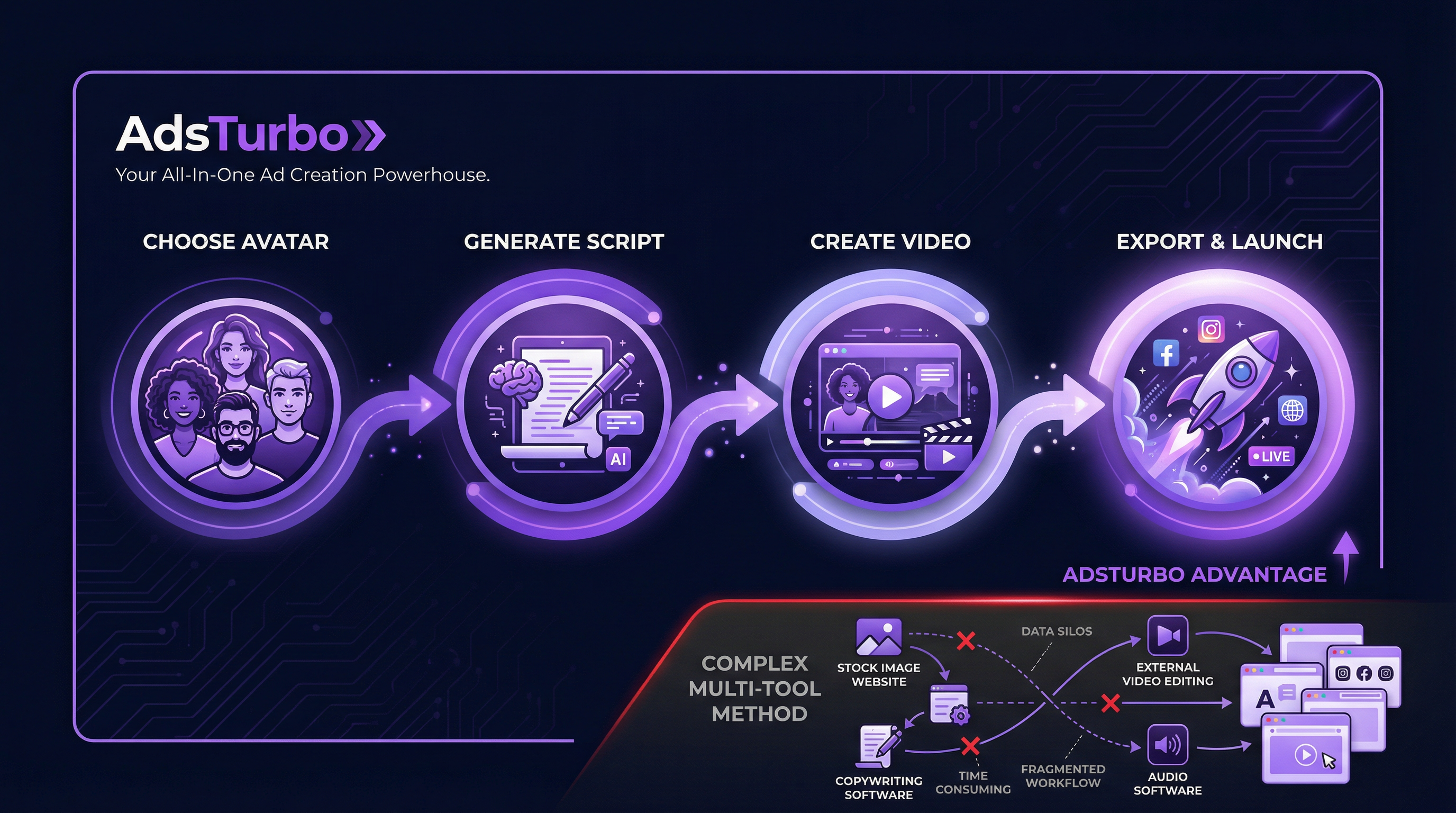
It empowers marketers to focus on the creative strategy—the hook, the message, the offer—while the platform handles the technical heavy lifting. This is the crucial difference between a clever hack and a professional marketing tool. While the free method is a fascinating proof of concept, a platform like AdsTurbo is a scalable solution for businesses that value their time, brand integrity, and performance.
As you consider your strategy, it's worth exploring the nuances between AI UGC vs. Traditional UGC to fully understand where this technology fits into your marketing mix.
Conclusion: Moving from Experimentation to Execution
The ability to create UGC ads with AI represents a monumental shift in creative production. The free methods, while innovative, highlight the immense complexity involved in producing a single, believable ad. They are a testament to the power of individual AI tools but also a cautionary tale about the inefficiencies of a fragmented workflow.
For marketers, creators, and brands looking to leverage the power of AI for performance advertising, the choice is clear. The future isn't about juggling a dozen free tools to create a single ad; it's about using a powerful, integrated platform to generate hundreds of creative variations in minutes. It’s about moving from laborious experimentation to efficient, scalable execution.
Ready to experience the future of ad creation? Try AdsTurbo for free today and see how an all-in-one platform can transform your creative workflow and supercharge your campaign performance.