
Shoes, Bags & Accessories
- Case Overview: Pro-Athlete Testimonial Meets UGC Style
- Marketing Breakdown: Why This Product Proof Ad Converts
- Script & Visual Structure: Reinforcing Core Selling Points
- AI Video Generation: How to Replicate the "Interview + Action" Format
- Creative Extensions: Adapting for Other Industries
- Frequently Asked Questions (FAQ)
1. Case Overview: Pro-Athlete Testimonial Meets UGC Style
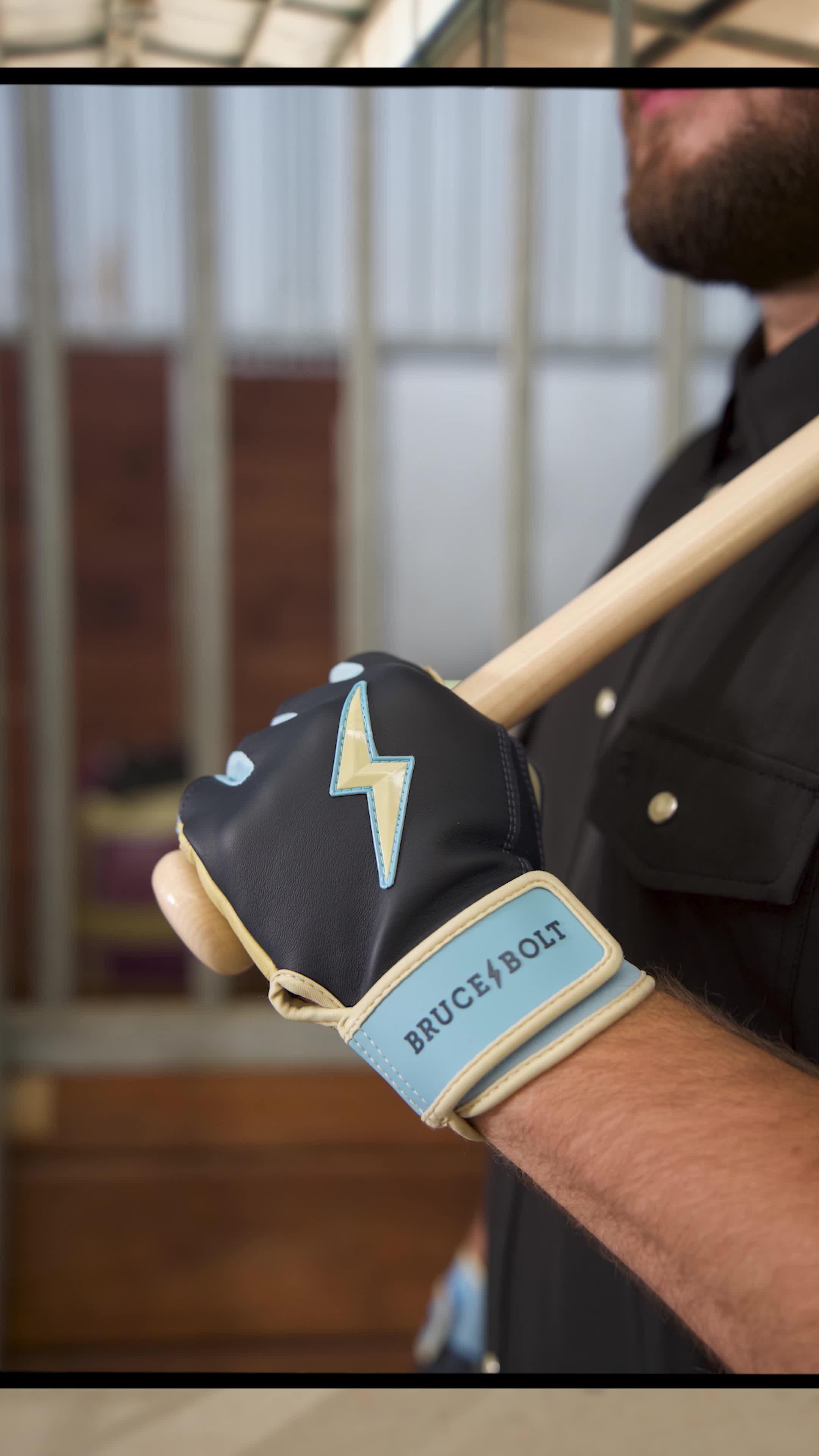
What you are looking at is a highly persuasive sports gloves ad. This case study brilliantly combines a "Talking Head" testimonial with dynamic "Action B-roll." Through the authentic voice of a professional baseball player, it highlights the durability and premium design of BRUCE BOLT batting gloves.
This isn't just a high-quality brand video; it serves as exceptional TikTok ad material. Instead of a hard sell, it addresses a real-world pain point (gloves tearing during slides) and delivers a dramatic outcome (hitting a home run and winning MVP while wearing them), perfectly resolving any doubts the target audience might have about the gear's quality.
2. Marketing Breakdown: Why This Product Proof Ad Converts
From a marketing perspective, the conversion logic of this video is crystal clear:
- Hooking the Audience: The video opens with a first-person, conversational statement ("Honestly, the first thing..."). Paired with the athlete's relaxed posture in the dugout, it creates the authentic, relatable feel typical of a UGC video, instantly lowering the viewer's ad resistance.
- Resonating with Pain Points: The most common issue with baseball gear is wear and tear. The script explicitly states, "even when I slide with them and I got dirt all over them... they just never wear or tear." This directly targets the core need of baseball enthusiasts.
- Ultimate Social Proof: The climax of the ad is the result-driven proof—"I hit my first All-Star Game homer... and I won All-Star Game MVP." Tying product quality to a career-defining highlight is the highest form of a product proof ad.
3. Script & Visual Structure: Reinforcing Core Selling Points
The success of this short video ad relies on the seamless integration of visual pacing and the spoken script.
- The Hook (0:00-0:05):
- Visuals: A fixed medium chest shot showcasing the athlete's tattoos, necklace, and bright red compression shirt, establishing a professional and striking visual identity.
- Script: Introduces the two main attractions—durability and cool designs.
- Conflict & Proof (0:05-0:12):
- Visuals: Hard cuts transition the scene from the static interview to slow-motion sliding on the dirt field. This dynamic editing gives the word "durable" a concrete visual anchor. It also intercuts a symmetrical close-up of the pink gloves to emphasize the "design" aspect.
- Script: Emphasizes zero damage even under extreme use cases (covered in dirt, sliding).
- Highlight Ending & CTA Alternative (0:12-End):
- Visuals: Slow-motion tracking shots of the swing, followed by a home run celebration, enhanced by high-saturation red/green contrast to elevate the emotional impact.
- Script: Uses the MVP story as the final memory point. While there is no direct "Click to Buy," stating "I guess I could owe that to the quality of the gloves" acts as a incredibly powerful, implicit Call to Action.
4. AI Video Generation: How to Replicate the "Interview + Action" Format
If you want to use AI video tools to generate a similar ad, this prompt provides a masterclass in structuring your inputs:
- Subject: The prompt's character description is meticulously detailed, including skin tone, hair (dark tied-back), goatee, backward dark blue cap, gold lightning bolt necklace, and extensive limb tattoos. For the product, it specifies colors (black/neon green, solid bright pink) and 3D logos. Key to Replicate: The more specific the clothing and accessory details, the higher the realism of the AI-generated character.
- Action & Scene: The prompt clearly distinguishes between the "Main" scene and the "Intercut" scenes. The main scene is sitting on a wooden bench in a dugout; the intercuts are sliding into a dirt base and celebrating a home run. Key to Replicate: Explicitly using the word "Intercut" in your AI video prompt helps guide the AI to understand multi-scene storytelling.
- Camera & Lighting:
- Dugout: Soft natural side-front light, fixed camera, medium chest shots.
- Stadium: Outdoor natural light, overcast weather, wide tracking shots with slow motion.
- Key to Replicate: Leveraging the contrast in lighting and camera movement (static soft light vs. dynamic slow-motion) is the secret to elevating the cinematic quality of the video.
5. Creative Extensions: Adapting for Other Industries
This "Professional Testimonial + Extreme Scenario Proof" structure is highly adaptable. Here is how other categories can use this script breakdown for their own campaigns:
- Outdoor Apparel Ads: An explorer in a tent discussing the windproof/waterproof nature of a jacket (Main Scene), intercut with slow-motion close-ups of them ice climbing in a blizzard (Intercut).
- Beauty Ads (Long-lasting Makeup): A fitness influencer talking to the camera about a foundation's staying power, intercut with close-ups of them dabbing their sweaty face with a tissue after a HIIT workout, showing zero transfer.
- Tech & Gadget Ads: An extreme sports photographer explaining an action camera's stabilization, intercut with smooth, first-person POV footage of a downhill mountain bike ride.
6. Frequently Asked Questions (FAQ)
01What product categories are best suited for this ad structure?
It is ideal for products that need to highlight "functionality," "durability," or "professional grade," such as sports gear, outdoor equipment, functional skincare, or professional tools. Professional endorsement combined with extreme scenario testing builds trust rapidly.
02When trying to replicate this video, what is the most important part of the AI prompt?
The most crucial elements are "Camera Language" and "Rhythm." You must clearly differentiate between the "fixed camera" for the talking head segments and the "slow-motion tracking shots" for the action sequences. Without this contrast, the generated video will look flat and unengaging.
03How do I prevent the generated video from looking like generic stock footage instead of a high-converting ad?
The key is "visualizing the pain point." Don't just have a person talking to the camera. If the script mentions "scratch-resistant," you must intercut a close-up of a sharp object scraping the product. If it says "waterproof," show a macro shot of water droplets bouncing off. The visuals must provide direct evidence for the spoken script.
04If I swap this for another product, what parts of the script structure should I keep?
You should retain the logical flow: "Introduce real pain point -> Prove it in an extreme scenario -> Achieve an unexpected/great result." For example, if selling running shoes, keep the structure: "My knees used to hurt when running (Pain Point) -> I wore these for a marathon (Scenario) -> I beat my personal best (Result)."