
Fashion & Outfits
- Case Overview: The Power of a $5 Bodysuit Ad
- Creative Mechanism: From "Visual Hook" to "Authentic Review"
- Script & Conversion Logic: Why This UGC Video Sells
- AI Video Generation: How to Replicate This TikTok Ad Material
- Creative Extensions: Adapting the Formula for Other Niches
- FAQ
1. Case Overview: The Power of a $5 Bodysuit Ad
This is a highly representative short-video ad in the fashion industry. Centered around a bodysuit priced at just $5, the ad successfully captures the target audience's attention through a strong visual contrast and a highly persuasive UGC-style spoken review.
The most valuable aspect of this case study is its "two-part" structure: the first 5 seconds use an aesthetic mirror selfie as a visual hook, followed by a seamless hard cut to an authentic bedroom review scene. This structure not only effectively increases the video completion rate but also perfectly aligns with current user preferences for authentic product proof ads.
2. Creative Mechanism: From "Visual Hook" to "Authentic Review"
The reason this ad instantly grabs attention at the beginning is due to its carefully designed visual and rhythmic contrast:
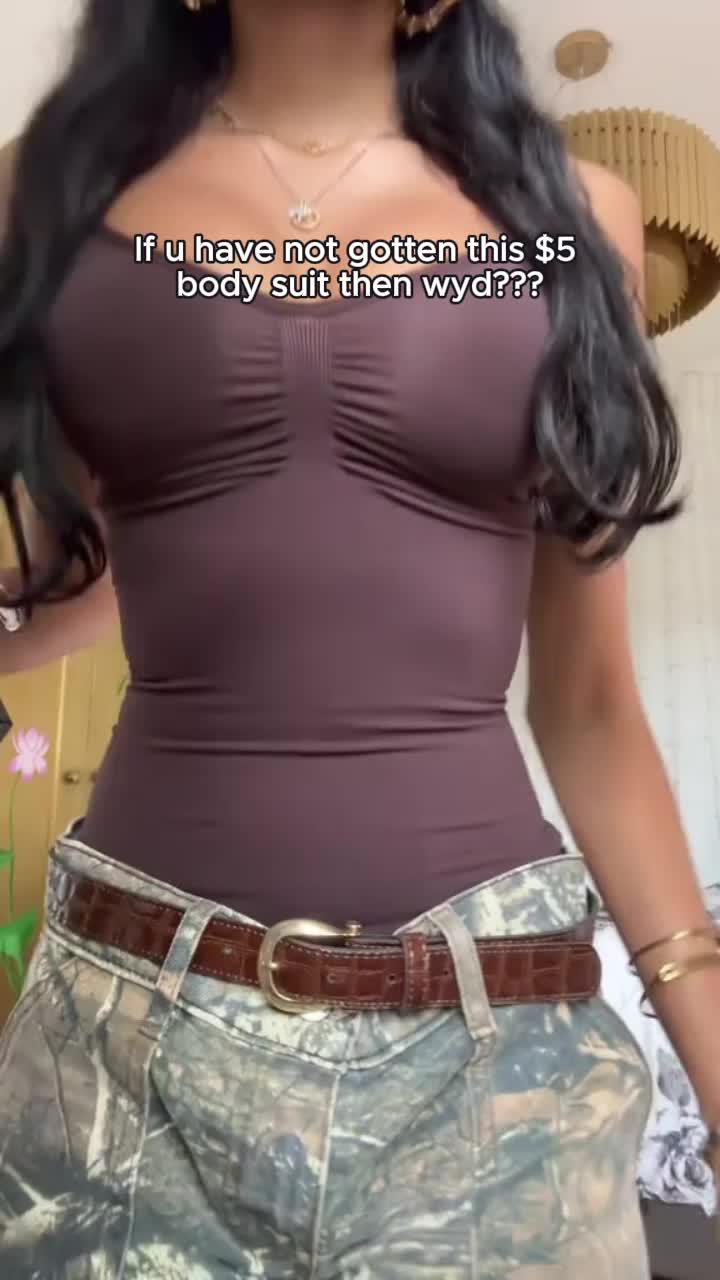
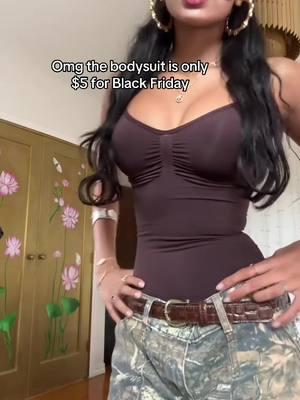
- Scene 1 (00:00-00:05) The Visual Hook: The visual features a blonde woman taking a mirror selfie in a modern indoor setting. Warm lighting, flawless makeup, a form-fitting brown bodysuit, combined with the on-screen text "this $5 bodysuit >>>", instantly maximizes visual appeal and price curiosity.
- Scene 2 (00:05 onwards) The Authentic Review: At the 5-second mark, the video executes a crisp hard cut. The scene instantly shifts to a bedroom with natural lighting, and the subject changes to a woman wearing a black bodysuit with natural makeup. She begins a high-density spoken delivery to the camera, accompanied by expressive body language (pulling the fabric, pointing at her waist).
Why is this mechanism effective? The first 5 seconds "trick" the viewer into staying by satisfying their visual pursuit of aesthetics; the second half builds trust, using the most grounded UGC vibe to break down the user's defensive barriers. This sense of contrast is a standard tactic for high-converting TikTok ad materials today.
3. Script & Conversion Logic: Why This UGC Video Sells
This spoken script is a textbook example of a product ad script. It precisely addresses the core concerns users have when buying shapewear:
- The Hook (Reverse Selling): "Okay, so basically I didn't believe it and I literally cannot get off my body." Starting with a skeptical attitude instantly closes the distance with the audience.
- Price Anchoring (Building Value): "It feels like Define leggings." Directly comparing it to a well-known, expensive competitor implies that this $5 product has the texture of premium fabric.
- Pain Point Targeting & Product Proof: "especially if you have wide rib cage, like it sucks it in." A "wide rib cage" is a very specific and deeply felt body anxiety for many women. Combined with the action of pulling the clothes to show elasticity, it forms a powerful product proof.
- Eliminating Purchase Doubt (Sizing Reference): "For reference, I'm like five feet tall... The extra small isn't actually an extra small." Providing real height and sizing feedback directly prompts the CTA and helps reduce return rates.
4. AI Video Generation: How to Replicate This TikTok Ad Material
If you want to replicate this type of fashion ad using AI video generation tools, the design of your prompt must strictly follow the "two-part" scene and action changes. Here is the core prompt breakdown:
- Subject & Scene:
- Scene 1 needs to emphasize aesthetics:
Young woman, blonde hair, wearing a brown V-neck bodysuit and light blue jeans, holding a pink phone case. Modern indoor, dark floor, white walls. - Scene 2 needs to emphasize everyday life:
Woman, shoulder-length brown wavy hair, natural makeup. Wearing a black V-neck bodysuit and light grey sweatpants. Bedroom, white bed, wooden blinds.
- Scene 1 needs to emphasize aesthetics:
- Action & Camera: This is the key to successful replication.
- Scene 1 camera language:
Medium shot, mirror selfie angle, slight handheld shake, posing, slight head and body movements. - Scene 2 must emphasize interaction:
Talking to camera, expressive hand gestures. Touching hair, pulling bodysuit to show elasticity, pointing at waist.(Pulling the bodysuit to show elasticity is the most critical detail to control precisely during AI generation).
- Scene 1 camera language:
- Rhythm & Light:
- The prompt must specify the transition:
Hard cut transition at 00:05. - Lighting contrast: Scene 1 uses
Indoor warm light, phone flash reflection; Scene 2 usesSoft indoor natural light, even lighting.
- The prompt must specify the transition:
5. Creative Extensions: Adapting the Formula for Other Niches
This structure of "Aesthetic Visual Intro + Pain Point Spoken Proof" is not only suitable for apparel ads but can easily be extended to other categories:
- Beauty Ads (Foundation/Concealer): The first 5 seconds show a perfect full-makeup selfie; after the hard cut, the creator appears bare-faced in natural light, applying foundation while saying: "I didn't believe in this affordable foundation, but look at my redness (pain point), it covers it instantly, the texture is just like [High-End Brand] (anchor)."
- Home Product Ads (Cleaning Tools): The first 5 seconds show a spotless, beautiful living room; after the hard cut, the creator is holding the cleaning tool in a messy kitchen: "If you have pets at home (pain point), you absolutely need this..."
- Fitness Gear Ads: The first 5 seconds show a selfie of toned abs; the hard cut reveals a sweaty, real workout scene, emphasizing the product's resistance or portability.
6. FAQ
01What product categories are best suited to reference this ad structure?
It is best suited for impulse-buy categories that offer a "visual transformation" and address a "universal pain point." Examples include beauty products, shapewear, wigs, and teeth whitening products. These items require strong visual contrast and authentic user feedback to break down consumer skepticism.
02When replicating this with AI, what is the most important part of the prompt?
The action description (Action & Movement) in Scene 2. Don't just write "talking to camera"; you must be specific, such as "pulling bodysuit to show elasticity" or "pointing at waist." Specific physical interactions are the core of making an AI video look like a genuine UGC review.
03Why does this UGC-style short video easily increase retention time?
Because it breaks the user's expectations at the 5-second mark. The user thinks it's just a standard aesthetic showcase video, but the sudden hard cut and highly emotional opening line ("I didn't believe it") create suspense. It makes the user want to know if she is complaining or recommending, naturally leading them to watch the rest of the product's selling points.
04If I switch to another product, what should I keep and what should I replace in the script?
You must keep the emotional opening (skepticism/shock), the sentence structure comparing it to a high-end competitor ("It feels like..."), and the ending that provides personal reference data ("For reference..."). You need to replace the specific pain point scenario (e.g., replacing "wide rib cage" with the specific problem your product solves) and the physical product demonstration actions.