


Author: adsturbo.ai | Published: September 15, 2026 | Updated: September 15, 2026
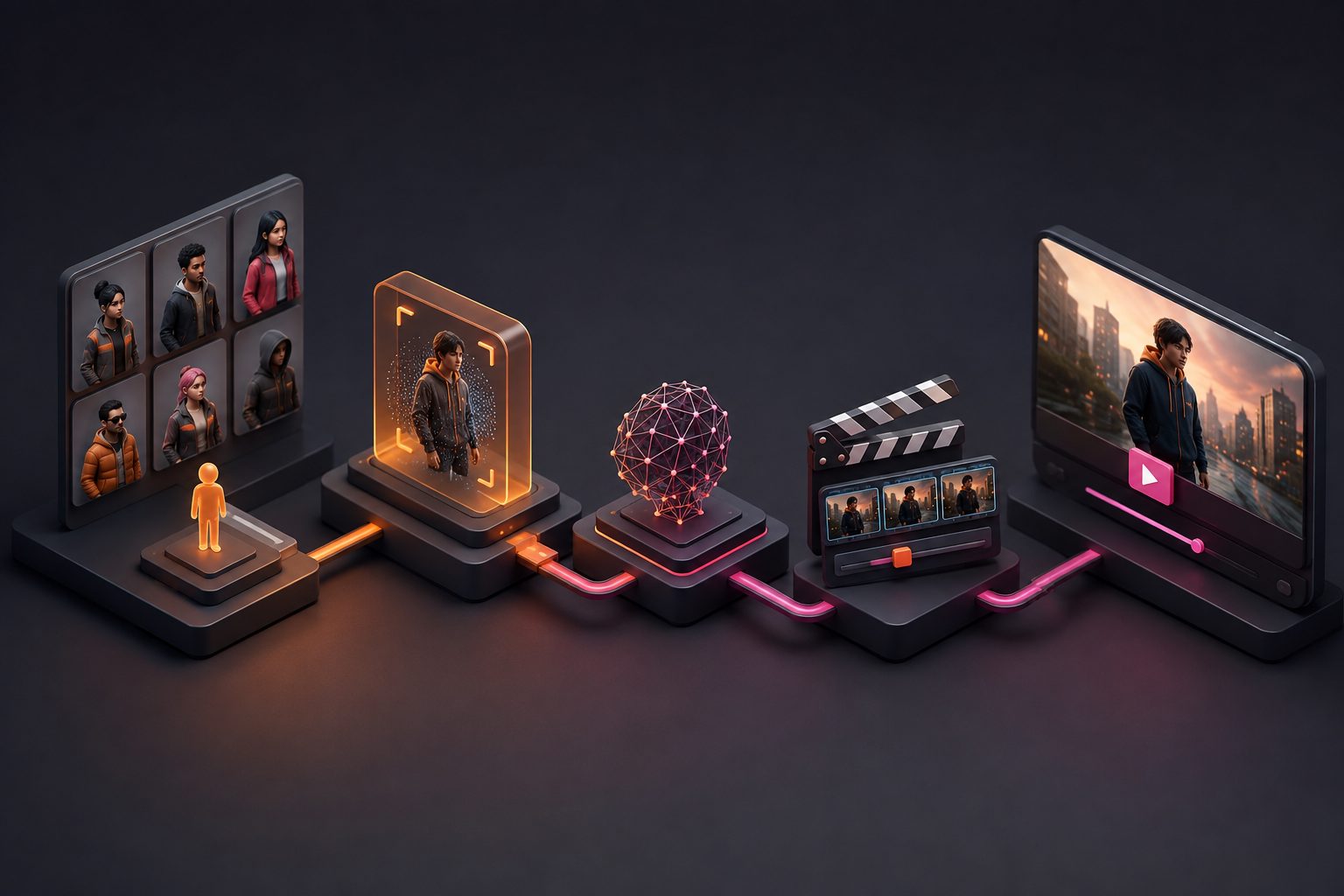
An AI product unboxing video generator helps ecommerce sellers turn a product image, selling point, and promotion into a short-form video concept without filming a complete unboxing session. The most useful workflow combines product presentation, creator-style narration, on-screen captions, and platform-ready variations.
For sellers, this is not just about adding motion to a product photo. A strong unboxing-style ad should answer three questions quickly: What arrived, why does it matter, and what should the viewer do next?
What is an AI product unboxing video generator?
An AI product unboxing video generator is a tool that creates product-focused videos from visual assets and structured marketing input. It can be used to produce product reveal videos, first-impression clips, product demonstrations, review-style ads, and short promotional content for ecommerce campaigns.
The input can be simple. AdsTurbo Product Video supports JPG or PNG product images up to 10MB, with optional selling points and promotional information. The workflow can generate UGC-style short video ads, including product review, product introduction, and product demonstration formats.
The result is different from a traditional slideshow. Instead of presenting only static images, the video can be organized around a viewing sequence such as:
- Package or product reveal
- Close-up product presentation
- Feature or benefit explanation
- Use-case demonstration
- Offer, proof point, or call to action
This structure makes an unboxing concept easier to adapt for TikTok, Instagram Reels, YouTube Shorts, product listings, and paid social campaigns.
Why does unboxing-style video work for ecommerce products?
Unboxing content gives a product a natural story: arrival, discovery, inspection, and first use. That sequence can make a catalog item feel more tangible than a single product image, especially when the shopper cannot physically examine the product before purchase.
The key advantage is context. A viewer sees not only what the product looks like, but also how it may be introduced, handled, or used. For this reason, an effective unboxing ad should prioritize product clarity over visual spectacle.
A practical content hierarchy is:
| Video layer | Viewer question | Recommended content |
|---|---|---|
| Opening | What is being shown? | Product reveal or recognizable package |
| Proof | What makes it useful? | One specific feature or benefit |
| Context | Where does it fit? | Lifestyle, use-case, or demonstration scene |
| Conversion | Why act now? | Promotion, bundle, discount, or clear CTA |
Avoid trying to explain every specification in one short video. One focused benefit is usually easier to understand, subtitle, translate, and test than a crowded list of features.
For a broader production process, the guide to turning product features into video ads provides a useful way to convert specifications into concise creative angles.
How do you create an unboxing video from a product image?
Start with a clean source image, define the product promise, and build the video around a single audience scenario. AdsTurbo Product Video is designed for this image-led workflow, while Product Image can help create additional ecommerce visuals from one uploaded product photo.
Step 1: Prepare the product image
Upload a clear JPG or PNG image. A product photographed against a plain-color background generally provides the best starting point because the shape, color, and category are easier to analyze.
Check the image before uploading:
- The full product should be visible.
- Important details should not be hidden by props or heavy shadows.
- The product should be large enough to inspect.
- The background should not compete with the product.
- Logos, packaging text, and labels should be readable where they matter.
If you need multiple listing assets first, AdsTurbo Product Image can generate six image types from one product photo, including a main-image banner, lifestyle image, close-up image, material-detail image, instruction image, and brand image. It also supports nine output ratios for channels such as Amazon, Shopify, TikTok Shop, and Instagram.
Step 2: Add one clear creative angle
An unboxing video should not begin with a vague instruction such as “make this product exciting.” Give the system a specific angle instead:
- “First look at a compact travel organizer”
- “Unbox a skincare tool and show its daily-use benefit”
- “Reveal a kitchen accessory that saves counter space”
- “Show three details buyers should notice before ordering”
Add the promotion only when it is accurate and active. Discount percentages, coupon codes, delivery claims, and product benefits should match the actual offer and product information.
Step 3: Choose the video purpose
The same product image can support different video types:
- Unboxing reveal: emphasizes arrival, packaging, and first impression.
- Product review: focuses on what the item is and who may need it.
- Product demonstration: shows how a feature works.
- Product introduction: explains the product for a new audience.
- Offer-led ad: connects the product with a valid promotion or campaign.
This purpose determines the opening line, scene order, captions, and CTA. A product demonstration should not use the same script as a discount announcement.
What should the script and captions include?
The strongest short-form unboxing scripts are specific, visual, and easy to follow without sound. A simple five-part script can make production more consistent:
- Hook: identify the product or the viewer’s problem.
- Reveal: show the item clearly.
- Feature: explain one meaningful benefit.
- Use case: connect the feature to a real shopping situation.
- CTA: tell the viewer what to do next.
For example:
“Looking for a smaller way to organize your daily essentials? Here is a closer look at this compact organizer. It separates the items you reach for most, making it useful for travel or everyday carry. See the available colors and details on the product page.”
The wording should remain faithful to the product. Do not imply test results, certifications, performance guarantees, or customer experiences that have not been verified.
AdsTurbo Video Subtitle can automatically transcribe speech and create time-synchronized captions. It supports multilingual subtitle generation and AI translation, with styling adapted for TikTok, Instagram Reels, and YouTube Shorts. You can download a video with embedded subtitles or export a separate subtitle file.
For more caption-specific guidance, see the workflow for automatic captions in ecommerce video ads.
How can sellers create multiple unboxing ad variations?
Create variations by changing one creative variable at a time. This produces a clearer testing system than changing the product, script, visual style, and CTA simultaneously.
An original testing framework for unboxing ads is the R-P-C matrix:
- R — Reveal: package reveal, hand-held reveal, close-up reveal.
- P — Proof: feature detail, use-case demonstration, comparison of product parts.
- C — Conversion: product-page CTA, promotion CTA, bundle CTA.
Combine one option from each column to produce structured variants. For example:
| Variant | Reveal | Proof | Conversion |
|---|---|---|---|
| A | Fast product reveal | One key feature | Shop the product |
| B | Close-up detail | Daily-use scenario | View available options |
| C | Package-style opening | Promotion or bundle | Check the current offer |
This framework is useful because it separates attention, understanding, and action. If one variant performs differently, you have a better hypothesis about why.
AdsTurbo Ad Clone can also analyze a reference video up to 12 seconds and use its structure to create advertising variations. It can preserve the broad logic of a strong reference—such as the opening rhythm, scene structure, and CTA pattern—while adapting the content to another product. Use reference material only when you have the right to use it, and treat the output as a creative starting point that still requires factual review.
You can also review this short-form video ad generator workflow for ecommerce when planning a larger testing batch.
Which formats and production details matter?
Format selection should follow the destination channel and the way shoppers consume the content. For vertical short-form placements, 9:16 is commonly appropriate; square and landscape versions may be useful for other placements and product environments.
Before exporting, review:
- Product visibility in the first seconds.
- Text placement inside mobile-safe areas.
- Subtitle readability against the background.
- Correct spelling of product names and offers.
- Accurate pricing, discount, and availability language.
- A CTA that matches the landing page.
- Consistent branding across variations.
AdsTurbo Event Poster supports JPG and PNG uploads for logos, product images, and visual assets, and can output nine aspect ratios for social media, display advertising, email, and print. This can help extend an unboxing campaign into matching promotional visuals.
All AdsTurbo generation tasks run asynchronously. Completion can be received through status polling or a Webhook callback, which is relevant when sellers generate many assets or connect production to an internal workflow. Higher-tier plans support team workflows, API access, and custom workflow support. The API uses standard REST architecture with Bearer API key authentication.
Common questions about AI unboxing videos
Can one product photo create a useful video?
Yes, when the image is clear and the product angle is specific. A plain-background product photo is usually a stronger input than a cluttered image because the product’s shape, color, and category are easier to identify.
Are AI-generated unboxing videos the same as real customer unboxings?
No. An AI-generated product video is a marketing asset, not proof that a real customer received or reviewed the product. Avoid presenting simulated reactions, unsupported testimonials, or invented usage results as factual customer experiences.
Can the same video be localized for different markets?
Yes. Video Translation and Video Subtitle support multilingual localization, including translated audio or subtitles. Review translated product names, measurements, claims, and promotional terms before publishing.
What makes an unboxing ad different from a product demo?
An unboxing ad emphasizes discovery and first impression. A product demo emphasizes how a feature works. Many ecommerce campaigns can use both: the unboxing format for attention and the demonstration format for product understanding.
How can sellers improve the source image?
Use a sharp JPG or PNG image with the entire product visible, a simple background, and enough resolution for close-up inspection. Remove distracting objects and confirm that packaging text or important details are legible.
Final checklist for publishing
Before launching an unboxing-style ecommerce video, confirm that:
- The product is recognizable immediately.
- The opening matches the actual product experience.
- Every feature and offer is accurate.
- Captions are readable without sound.
- The CTA leads to a relevant page.
- Each variation changes a deliberate creative variable.
- The format matches the target placement.
- Any reference video or music has appropriate usage rights.
An AI workflow can shorten production from product image to campaign-ready draft, but the best results still come from clear inputs and disciplined creative testing. Use the product image as the visual anchor, the unboxing sequence as the story, and the selling point as the reason to continue watching.