
By adsturbo.ai | Published 2026-10-15 | Updated 2026-10-15
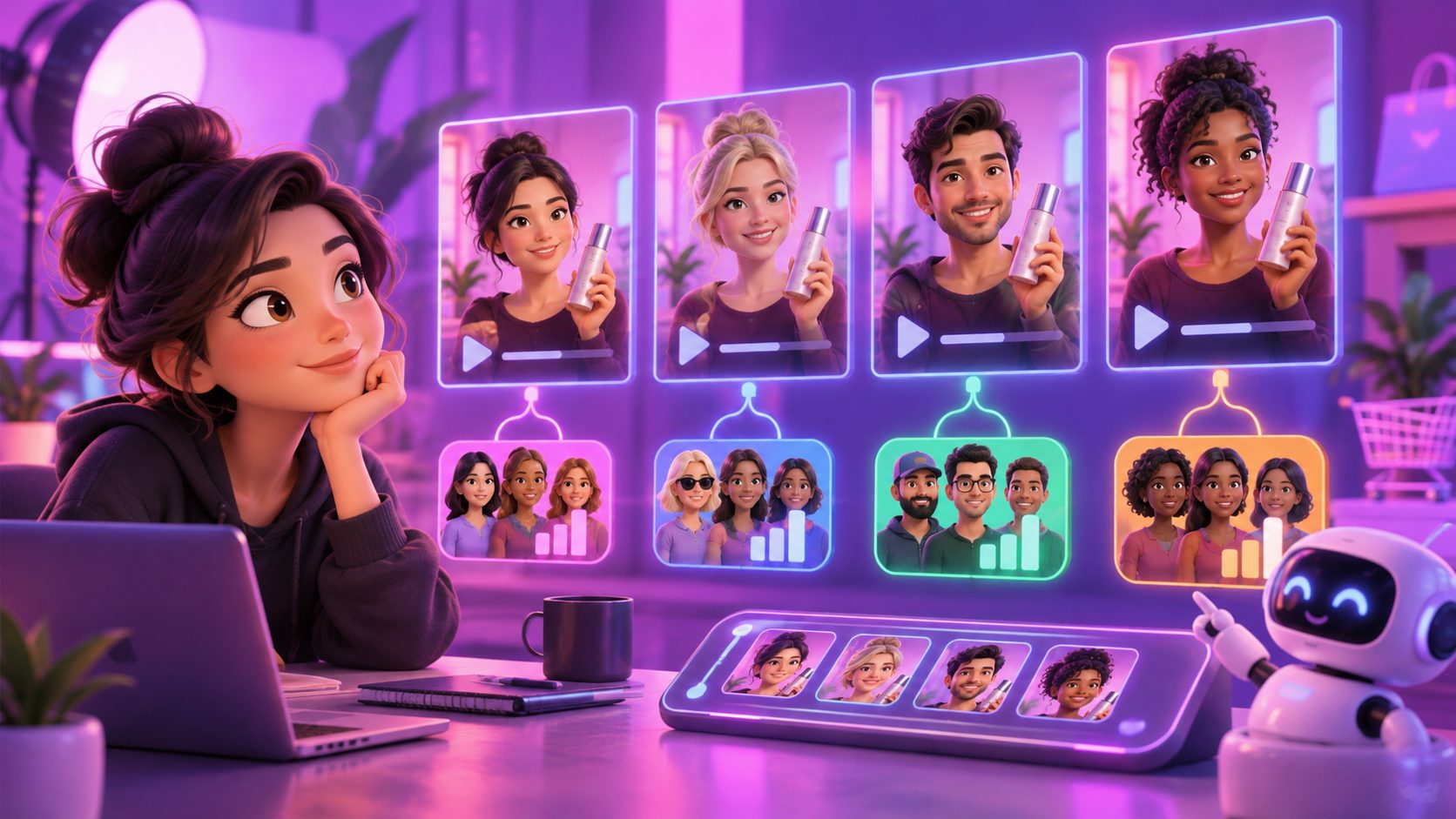
Scaling direct-to-consumer (DTC) advertising requires creative volume, but testing different demographic angles has historically been one of the most expensive bottlenecks in paid media. When launching ai face swap video ads audience testing, ecommerce brands unlock true single-variable creative experimentation. By keeping the product demonstration, background lighting, pacing, and spoken script identical while swapping only the presenter's facial identity, growth marketers can pinpoint exactly which customer avatar drives higher click-through rates (CTR) and conversion rates without paying for multiple creator shoots.
What Is Persona-Isolated Testing in Video Advertising?
Persona-isolated testing is an ad creative experimentation methodology where all audiovisual elements—script, camera movement, product interactions, and scene lighting—remain static while only the presenter’s demographic persona is altered.
Traditionally, testing whether Gen Z college students, millennial professionals, or active retirees respond better to a physical product required contracting four separate creators. Each creator delivered different pacing, distinct vocal energy, and varied camera angles. If the millennial video performed best, media buyers could never be sure whether the demographic match, the creator's delivery speed, or the ambient lighting in their living room caused the lift.
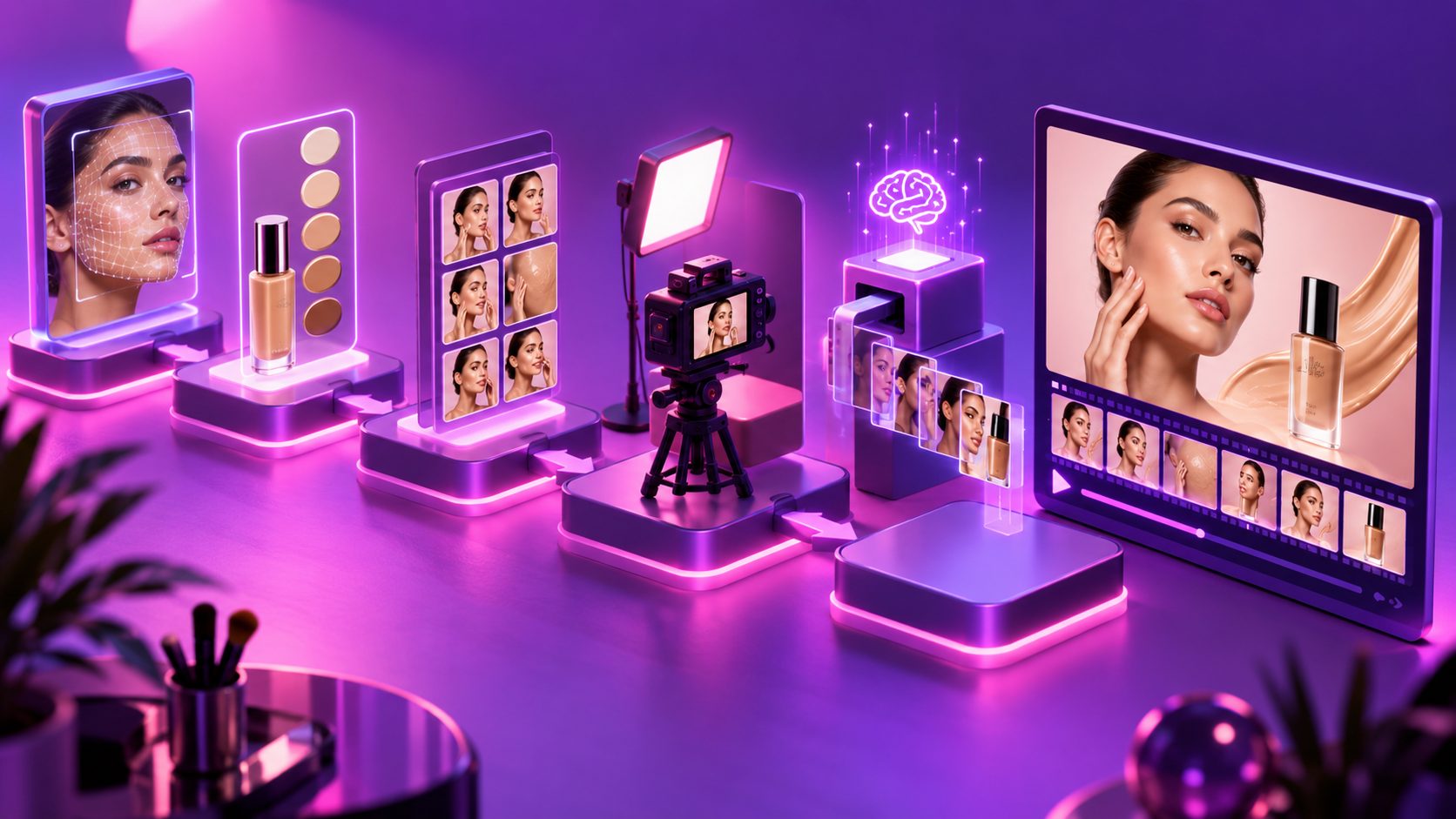
AI face swap technology resolves this confounding variable. By using a baseline high-converting clip and mapping new facial identities onto the original talent, performance marketing teams isolate audience affinity as an independent variable.
The Economics of Traditional UGC vs. AI Character Swap
Sourcing user-generated content (UGC) from third-party creator marketplaces commonly costs between $150 and $500 per deliverable. When testing five distinct demographic archetypes across three different hooks, production costs easily exceed $3,000 before spending a single dollar on ad inventory.
| Dimension | Traditional Multi-Creator UGC | AI Face Swap Creative Testing |
|---|---|---|
| Production Cost (5 Personas) | $1,000 – $2,500 | Base asset cost + platform generation credits |
| Turnaround Time | 10 to 21 business days | Minutes via automated processing |
| Variable Control | Poor (different lighting, pacing, delivery) | Absolute (identical frame timing & movement) |
| Statistical Validity | Low (multiple uncontrolled variables) | High (isolated visual identity variable) |
| Post-Production Scaling | Manual re-filming required | Script extraction, upscaling, & batch variations |
By deploying tools like AdsTurbo, advertisers eliminate variable pollution. The platform's Character Swap feature allows growth teams to upload an existing winning video alongside target face portraits to generate new persona variations while maintaining the physical realism of the scene's original motion, lighting, and depth.
The 4-Step E-Commerce Persona Matrix Framework
To execute a statistically sound audience test, performance teams should apply a structured matrix framework rather than swapping faces at random.
+-------------------------------------------------------------------+
|                     Winning Base Video (Control)                  |
|          (Validated Script, Stable Product B-Roll, Clear CTA)      |
+---------------------------------+---------------------------------+
                                  |
         +------------------------+------------------------+
         |                                                 |
         v                                                 v
  [ Persona Variant A ]                            [ Persona Variant B ]
  Gen Z Male (18–24)                              Millennial Male (28–35)
  Target: TikTok / Reels Students                 Target: Meta Career Lookalikes
         |                                                 |
         v                                                 v
  [ Persona Variant C ]                            [ Persona Variant D ]
  Mature Female (45–55)                           Gen Z Female (20–26)
  Target: Meta Homeowner Demographics             Target: TikTok Beauty/Lifestyle
Step 1: Establish the Control Asset
Select an asset that has already demonstrated above-average thumb-stop rates (a 3-second hook rate above 30%) or strong organic engagement. Ensure the video contains clear product demonstrations and uninterrupted eye contact. For brands starting without an existing UGC library, platforms providing AI actors and product ad templates can generate this initial base asset directly from static product photos.
Step 2: Define Demographic Hypotheses
Segment your potential audience into three to four testable archetypes based on your customer acquisition strategy:
- Age cohorts: Post-graduates (22–26) vs. Mid-career professionals (30–40) vs. Mature consumers (50+).
- Ethnic and regional profiles: Tailoring presenters to domestic regional nuances or international target markets.
- Stylistic aesthetics: Casual street-style vs. corporate professional vs. fitness-oriented.
Step 3: Run High-Fidelity Character Swapping
Upload the source footage alongside high-resolution JPG or PNG headshots. High-fidelity engines transfer facial markers while keeping lip synchronization and natural skin folds aligned with the actor's speech. If your source requires body re-orientation or dynamic physical product handling, pairing character replacement with motion control AI for product ads ensures natural spatial continuity.
Step 4: Add Platform-Specific Captions and Upscaling
Export the variants in universal formats (9:16 for TikTok, Meta Reels, and Shorts; 1:1 or 16:9 for in-feed placements). Low-bitrate base footage should pass through automated resolution enhancement to ensure artifacts do not suppress algorithmic delivery. Finally, apply styled, on-brand dynamic captions; synchronizing subtitles via a video ad multilingual subtitle sync tool increases retention on silent mobile feeds.
Technical Considerations: Maintaining Creative Realism and Compliance
Running AI face swap campaigns requires attention to visual quality and platform guidelines to ensure long-term account health.
- Resolution and Compression Artifacts: AI models interpolate pixels, which can cause micro-blurring around the jawline or hairline if the base video resolution is low. Running video upscaling post-swap ensures clean edges when viewed on mobile screens.
- Audio-Visual Alignment: If you modify the underlying audio to match a regional dialect or alternate vocal tone, utilize synchronized lip-sync capabilities so facial muscle movements match phonemes accurately.
- Disclosure and Ad Policies: Major ad networks like Meta and TikTok have clear policies regarding synthetic media. When deploying AI-modified faces, comply with regional ad transparency guidelines by applying standard digital altered-content tags within the ad manager dashboard where required.
- Talent Licensing and Consent: Only swap faces using models, team members, or commercially licensed AI-generated personas for which you hold explicit commercial rights. Platforms featuring built-in libraries of commercial AI actors eliminate downstream licensing conflicts.
For teams building automated production lines across thousands of SKUs, leveraging an ecommerce video ad generation API allows dynamic orchestration of these swapping, upscaling, and captioning tasks via asynchronous workflows.
Paid Media Media-Buying Structure: Meta and TikTok A/B Setup
To extract reliable learnings from your face-swap variants, isolate your campaign structure:
- Campaign Type: Meta Advantage+ Creative or TikTok Spark/Video Shopping Ads.
- Budget Allocation: Dynamic Creative Testing (DCT) or separate ad sets with split-budget controls (minimum $50–$100 spend per variant to achieve statistical significance).
- Audience Targeting: Keep audience targeting broad (e.g., broad demographic targeting without restrictive interest layering). Let the algorithmic delivery identify which persona naturally captures engagement within specific age and gender cohorts.
- Primary KPIs to Monitor:
- 3-Second Hook Rate (Thumb-Stop): Measures whether demographic similarity immediately commands viewer attention.
- Hold Rate (Throughplay to 50%/75%): Confirms if the persona maintains credibility throughout the product explanation.
- Cost Per Acquisition (CPA): Determines bottom-line commercial alignment.
If Persona A (e.g., mature presenter) drives a 40% higher hook rate among consumers aged 45+ compared to the control, you have discovered an incremental scaling vector without producing an entirely new commercial shoot. Expanding winning tests internationally can subsequently be paired with localized translations, such as deploying an AI Spanish UGC video ads generator to capture Spanish-speaking demographics.
Frequently Asked Questions
Will ad networks ban accounts for using AI face-swapped video ads?
No, ad networks do not ban accounts solely for using synthetic faces, provided the creative complies with community guidelines, advertising policies, and synthetic media disclosure rules. Always mark the digital alteration toggle in your campaign dashboard when using photorealistic synthetic people, and avoid misleading health or financial claims.
Does changing the presenter’s face affect the lip sync of the original video?
Modern AI character replacement retains the underlying mouth geometry and speech cadence of the original video. If the vocal track remains unchanged, the swapped face naturally mirrors the original audio. If you change the voiceover or language, you should run a dedicated lip sync process to align the mouth movements with the new audio track.
What resolution and lighting are required for the base video?
Even, diffused lighting with minimal motion blur yields the cleanest swap results. Avoid source footage where the presenter’s hands constantly occlude their mouth or eyes. Clear JPG or PNG portraits taken against neutral backgrounds work best as target face assets.